Top Reasons Thermal Treatment Is Necessary for Effective Bed Bug Control
Heat treatment has become a vital technique in the battle against bed bugs. This method successfully addresses every developmental stage of these insects, guaranteeing complete elimination. Unlike chemical solutions, warmth infiltrates different surfaces, reaching areas often overlooked. Furthermore, it provides ecological and health advantages. Understanding the nuances of heat treatment compared to other methods can explain its rising prominence. What particular qualities make this technique exceptional?
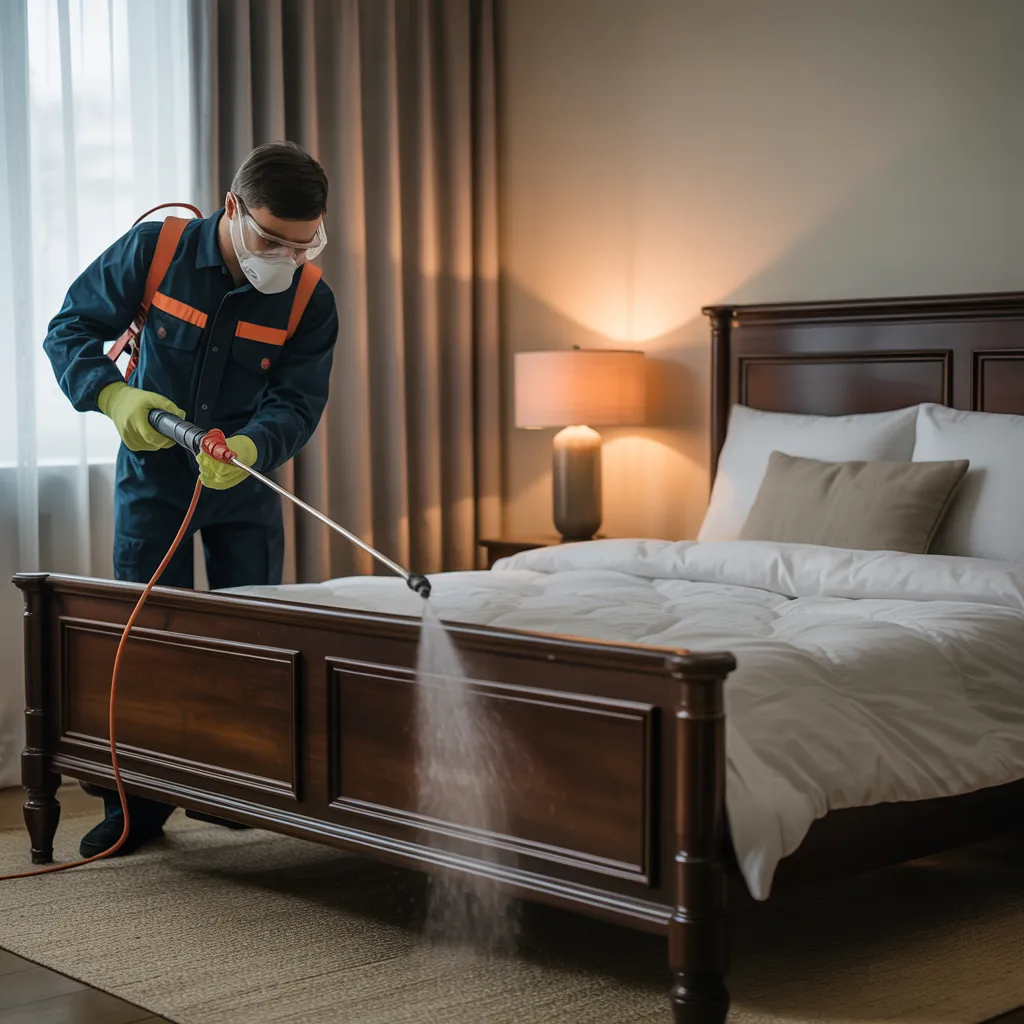
How Thermal Treatment Effectively Eliminates Bed Bugs
Heat treatment is recognized as a powerful method for exterminating bed bugs, harnessing high temperatures to target these persistent pests. This process involves increasing the surrounding temperature of contaminated areas to temperatures that prove fatal to bed bugs and their eggs. Generally, temperatures of around 120°F (49°C) are adequate to kill bed bugs rapidly.
In contrast to conventional pesticides, which may leave behind residues and require repeated applications, heat-based treatment permeates every surface, ensuring thorough coverage. It successfully targets concealed spaces such as cracks, crevices, and upholstery, where bed bugs commonly take refuge.
Additionally, heat treatment is an environmentally conscious option, as it does away with the need for chemical substances that could be hazardous to humans and pets. By swiftly elevating the temperature and sustaining it for a set period of time, heat treatment not only exterminates existing infestations but also works to prevent future outbreaks, making it a vital method in combating bed bug infestations.
Everything You Should Know About Bed Bug Life Cycles
Grasping the biological cycle of bed bugs is vital for successful control strategies. This encompasses recognizing their multiple life cycles, reproduction rates, and how environmental factors affect their patterns. Knowledge of these aspects can significantly help in managing pest problems.
Bed Bug Life Stages
The life cycle of bed bugs consists of several distinct stages that play a critical role in effective pest control. It all begins with the initial egg stage, in which a female bed bug deposits as many as five eggs per day, each about 1 millimeter in size. Within about seven days, the eggs hatch into nymphs, which undergo five molting stages before reaching adulthood. A blood meal is necessary for each nymph to examine now molt properly. Mature bed bugs are usually brown and may survive for several months without eating. Knowing these life stages is critical for effective pest control, since each stage may call for targeted treatment approaches. Effective management depends on targeting all stages, with special attention to the eggs and nymphs, to disrupt the cycle and prevent future infestations.
Reproduction and Infestation Rates
Even though bed bugs may stay dormant for prolonged durations, their reproductive capabilities can lead to fast-developing infestations. A single female bed bug can produce up to five eggs per day, accumulating a substantial number in her lifetime. These eggs take approximately seven to ten days under ideal conditions, permitting new nymphs to start feeding shortly after. This rapid life cycle indicates a small initial population can quickly escalate into a full-blown infestation. Moreover, bed bugs breed year-round, making them a persistent threat in any environment. Their durability and rapid reproduction complicate control efforts, highlighting the need for proven treatment methods, such as heat treatment, to interrupt their breeding cycle and prevent further spread.
Impact of Environmental Factors
Environmental elements greatly affect the lifecycles of bed bugs, impacting their development, reproduction, and chances of survival. Temperature plays a significant role; higher temperatures speed up development, while colder environments can inhibit growth and reproduction. Humidity also plays a role in bed bug activity; elevated humidity supports their survival and breeding, as these pests require moisture for ideal health. Moreover, the availability of food, particularly human blood, is essential for sustaining their lifecycle. In environments where food is scarce, bed bugs might go into a state of dormancy, lengthening their survival period until circumstances become more favorable. Understanding these environmental influences is essential for effective bed bug control strategies, particularly in implementing heat treatments that can disrupt their life cycles by creating inhospitable conditions.
Heat Treatment vs. Chemical Methods: What Is the Best Option?
In terms of eliminating bed bugs, what method works best: heat therapy or chemical treatments? Thermal treatment consists of bringing the temperature in affected areas to bug-killing levels, thoroughly destroying bed bugs at every stage of their life cycle, including their eggs. This technique delivers a complete strategy, making certain that the whole infestation is handled in one visit.
On the other hand, chemical-based methods typically focus on certain developmental stages and might demand multiple applications. Moreover, bed bugs can develop resistance to specific chemical agents, challenging control measures. Although chemical treatments can prove useful in specific cases, they often necessitate ongoing monitoring and reapplication.
When all is considered, heat treatment is recognized for its capability to deliver rapid outcomes without the risk of chemical resistance. It delivers an thorough solution, reducing the risk of a resurgence. In a large number of cases, the use of heat treatment is not only considerably more productive but also a highly dependable method for extended bed bug control.
The Green Benefits of Heat Treatment
Heat treatment not only functions as a highly effective approach to bed bug elimination but also provides significant environmental benefits. Unlike chemical solutions, which often introduce harmful pesticides into the ecosystem, heat treatment relies solely on elevated temperatures to eliminate pests. This approach significantly decreases the dependence on harmful substances, reducing the likelihood of chemical exposure to humans, pets, and wildlife.
In addition, heat treatment is a one-time process that can remove bed bugs in every stage of their life cycle, minimizing the requirement for repeated treatments that could result in harm to the surrounding environment. By killing pests in furniture, carpets, and other household items, it also supports an environmentally responsible approach to pest control. Additionally, as heat treatment produces no chemical byproducts, it supports a cleaner indoor environment, enhancing the quality of indoor air. Overall, thermal treatment represents a sustainable solution for pest control, supporting wider environmental conservation objectives.
How Heat Treatment Protects Your Family and Pets
Opting for heat treatment for bed bug control not only addresses pest issues successfully but also emphasizes the safety of families and pets. This approach employs high temperatures to eliminate bed bugs at all life stages without the need for dangerous chemical agents. Unlike conventional chemical treatments, which can leave residues and pose health risks, heat treatment offers a non-toxic alternative, ensuring that home environments remain safe for children and animals.
Additionally, heat treatment is comprehensive, penetrating furniture, bedding, and other hiding spots where bed bugs reside. This complete approach lowers the likelihood of reinfestation, thus maintaining a cleaner home environment. Families can rest easy knowing that their pets are not at risk from toxic substances, and they can come back to their living spaces quickly, often within hours of treatment. Ultimately, heat treatment offers a secure, efficient, and green solution for bed bug control.
Understanding What to Expect During Heat Treatment
During heat treatment for bed bug control, homeowners can anticipate a structured process that includes careful preparation and monitoring. Technicians typically begin by evaluating the infested areas, identifying hotspots where bed bugs are likely to reside. This initial assessment allows for targeted treatment, guaranteeing that all essential areas receive adequate heat exposure.
When treatment starts, advanced equipment elevates the temperature in the affected space to a level that is lethal to bed bugs. Homeowners may notice elevated temperatures and might be directed to exit the space for a few hours to maintain optimal safety and results. Ongoing monitoring is essential, with technicians using thermal sensors to verify that temperatures stay within the optimal range.
Following the treatment, a follow-up inspection is often scheduled to review the effectiveness of the heat treatment and verify that the infestation has been fully eliminated. This methodical process greatly improves the chances of effective bed bug elimination.
Tips for Preventing Future Bed Bug Infestations
Even though bed bug infestations can be hard to get rid of, taking preventive steps can greatly minimize the likelihood of recurring problems. A practical approach includes routinely checking sleeping areas, including bed frames, mattresses, and furniture, for signs of bed bugs. Minimizing clutter can additionally get rid of potential harborage areas, which makes identification more straightforward.
Visitors should inspect hotel rooms for signs of bed bugs before getting comfortable, as these insects frequently travel in baggage. Sealing gaps and openings in furniture and walls will further deter bed bugs from entering living spaces. Additionally, using mattress protectors can offer protection against infestations.
Consistently vacuuming and cleaning bedding in hot water can eliminate any potential eggs or bugs. Ultimately, staying informed and educating family members about bed bug identification can equip residents to take prompt action should an infestation recur.
Questions We Often Receive
What Is the Typical Duration of Heat Treatment?
Heat treatment typically takes between six to eight hours to complete, based on how severe the infestation is and the size of the treatment area. Careful monitoring ensures that temperatures achieve the levels necessary to eliminate bed bugs.
Is It Possible to Remain in My Home During Heat Treatment?
When heat treatment is performed, it is typically recommended to evacuate the premises for safety and effectiveness. The extreme heat can be dangerous, and departing allows for a complete and uninterrupted treatment, greatly improving the likelihood of complete bed bug elimination.
Does Heat Treatment Work for All Types of Bed Bug Infestations?
Heat treatment is generally effective for most bed bug infestations, targeting all life stages. That said, results can differ depending on elements such as infestation severity, duration of the treatment process, and thorough preparation of the treated space.
What Should I Do With My Belongings Before Treatment?
Prior to treatment, residents should place all clothing and linens in bags, vacuum all upholstered furniture with care, and clear items out of the infested area. Any belongings that can withstand heat should be run through the dryer as an added precaution.
How Often Should I Schedule Heat Treatments for Prevention?
Scheduling heat treatments on a six to twelve month basis is advisable for maintaining prevention. Routine evaluations of potential infestations, paired with timely treatments, work to maintain a bug-free environment and minimize the chances of bed bug returning infestations.